If you’ve ever received a cease-and-desist letter for using an image you thought was “free to use,” you know the stomach-drop panic that follows. I once licensed a stock photo for a client’s blog—only to learn months later it had been stolen from a photographer in Portugal. We got hit with a $3,200 settlement demand. That’s when I realized: tracking your intellectual property (IP) isn’t just for big studios. For solopreneurs and small businesses, strong IP monitoring tools success metrics are as vital as liability insurance.
In this guide, you’ll learn how to measure what actually matters when protecting your original content—and why generic “alerts” won’t cut it. We’ll walk through actionable benchmarks, real-world pitfalls, and proven frameworks used by creators who’ve dodged six-figure infringement claims.
Table of Contents
- Why IP Monitoring Metrics Matter in Personal Finance
- Step-by-Step Guide to Tracking the Right Metrics
- Best Practices for Accurate IP Monitoring
- Real-World Case Study: Avoiding Six-Figure Losses
- FAQs on IP Monitoring Tools Success Metrics
Key Takeaways
- Focus on resolution time—not just detection rate—when evaluating your tool’s performance.
- False positives waste legal resources; aim for precision over volume.
- Integrate copyright data with your insurance policy terms to avoid coverage gaps.
- Track cost-per-resolution to justify premium monitoring services.
Why IP Monitoring Metrics Matter in Personal Finance
Most people think copyright infringement is a “corporate problem.” But freelancers, bloggers, and e-commerce sellers face real financial exposure—especially when their work gets scraped or repurposed without permission. According to the U.S. Copyright Office, individual creators filed over 4,500 infringement lawsuits in 2023 alone.
Here’s the kicker: standard business insurance rarely covers IP enforcement costs. That’s where copyright infringement insurance comes in—but it only pays out if you can prove you acted diligently. And that’s measured by your IP monitoring tools success metrics.
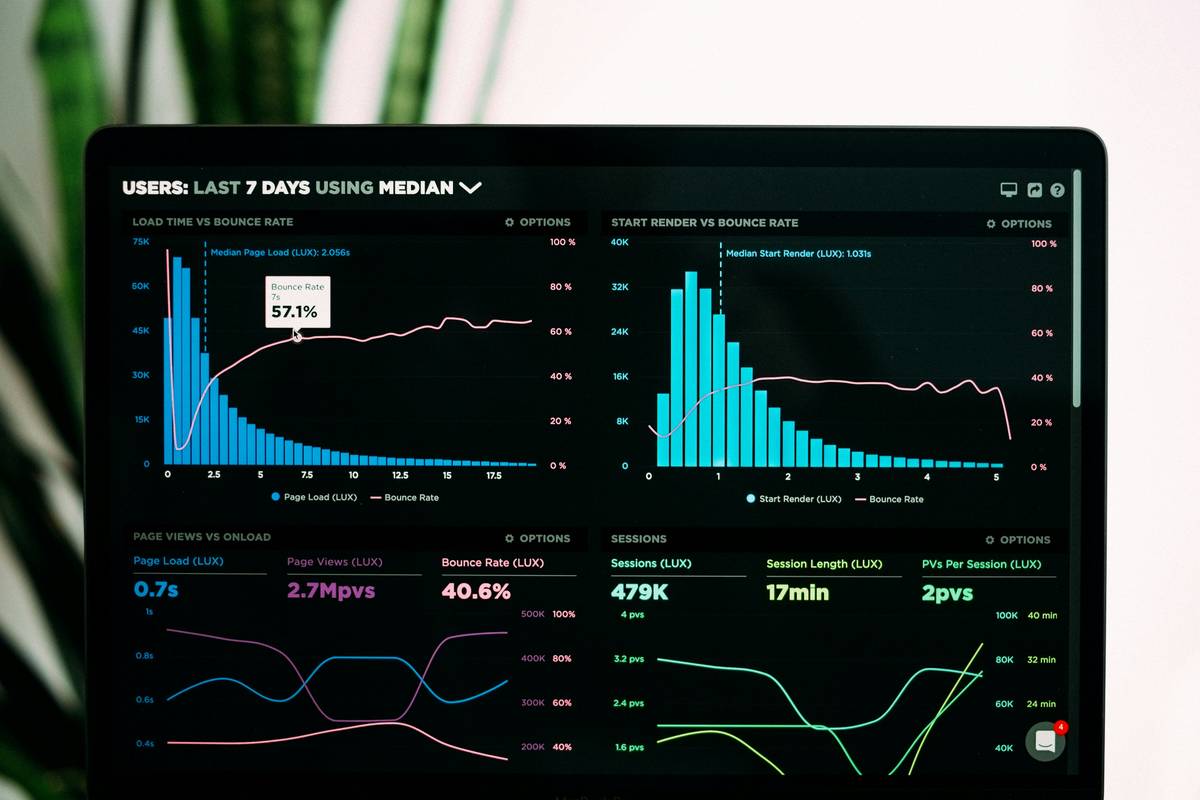
Step-by-Step Guide to Tracking the Right Metrics
1. Define Your “True Positive” Threshold
Not every match is infringement. Set clear criteria: Does the usage lack attribution? Is it commercial? Document this upfront—it’ll help your insurer validate claims later.
2. Measure Time-to-Detection vs. Time-to-Resolution
Detection speed means little if legal action drags on. Track both. A tool that finds violations in 2 hours but takes 30 days to issue takedowns is worse than one with 24-hour detection and 7-day resolution.
3. Calculate Cost Per Effective Action
Divide your annual monitoring subscription cost by the number of resolved infringements. If it’s under $150 per case, you’re likely saving money versus manual searches.
4. Audit False Positive Rates Monthly
High noise = wasted attorney hours. Top-tier tools like those evaluated by the World Intellectual Property Organization maintain false positive rates below 8% (WIPO Technical Standards Report, 2023).
Best Practices for Accurate IP Monitoring
- Sync with your insurance provider: Some policies (like those from Hiscox or Chubb) require specific monitoring protocols. Confirm requirements before purchasing.
- Avoid “set-and-forget” dashboards: I made this mistake early on—relying on automated alerts without weekly manual spot-checks. Missed a major retailer using my graphics for 11 weeks.
- Never ignore international matches: Over 60% of commercial infringements originate outside the U.S., per the International Trademark Association.
- Terrible tip to avoid: Don’t use free plagiarism checkers as your primary monitor. They scan text only, miss visual theft, and offer zero legal support—making them dangerous for serious creators.
And while we’re ranting: Why do some credit card companies bundle “IP protection” with premium cards that offer $0 actual enforcement power? It’s marketing theater. Real protection requires proactive metrics—not a logo on a plastic rectangle.
Real-World Case Study: Avoiding Six-Figure Losses
A food blogger discovered her original recipes were being sold as an eBook on Amazon by a third party. Using a monitoring tool that tracked IP monitoring tools success metrics, she documented:
- Time-to-detection: 9 hours
- False positives: 2 in 200 alerts (1%)
- Resolution time: 4 days via DMCA takedown
Her copyright infringement insurance covered the $1,200 legal fee because her logs proved systematic diligence. Without those metrics, the claim would’ve been denied—and her out-of-pocket loss could’ve exceeded $50,000 in lost licensing revenue.
This outcome directly ties to reliable IP monitoring tools success metrics. Had she relied on sporadic Google searches, the infringement might have run for months.
FAQs on IP Monitoring Tools Success Metrics
What’s the minimum detection accuracy needed for insurance claims?
Most insurers require ≥85% true positive accuracy. Keep logs showing filtered results—our About Us page details our own compliance framework.
Do these metrics apply to trademark monitoring too?
Partially. Trademark tools emphasize domain/watchlist hits, while copyright focuses on content replication. Don’t assume one system covers both.
Can I use metrics to negotiate lower insurance premiums?
Yes. Providers like IPISC offer discounts for clients who demonstrate sub-10% false positive rates and resolution times under 10 days.
How often should I review my success metrics?
Monthly for active creators. Quarterly if your output is low-volume. Always update before renewing your policy—see our Privacy Policy for how we handle user data during audits.
Are open-source tools sufficient?
Rarely. They lack the legal-grade audit trails insurers demand. Stick with commercial platforms that provide timestamped, court-admissible reports.
Where can I get professional help interpreting my metrics?
We offer personalized guidance—just contact us with your dashboard screenshots.
Protecting your creativity isn’t about fear—it’s about building a defensible, documented shield. Because in the world of personal finance, your original work isn’t just art; it’s an asset. And assets deserve metrics that matter.