
What if your “copyright infringement insurance” quietly failed you—not when the cease-and-desist landed, but after, while you stared at a $42,600 invoice from outside counsel and realized your policy’s “success metrics” were nowhere in your binder?
That happened to me two years ago. I’d bought a mid-tier copyright defense policy for my freelance design studio—great reviews, low premium, fast approval. When a stock photo vendor sued us over an alleged unauthorized use (a background texture buried in a client’s homepage banner), our insurer covered just 38% of outside counsel fees. Why? Because their internal Legal Defense Costs Success Metrics prioritized “claim closure speed,” not “cost containment per resolution.” No warning. No benchmark. Just retroactive regret.
This article cuts through the jargon. You’ll learn how to measure what truly matters—not just whether your policy pays *something*, but whether it delivers measurable financial resilience. We’ll walk through real benchmarks, step-by-step evaluation tactics, and one terrible tip you’ll see everywhere (and why it could bankrupt your side-hustle). All grounded in how real small-business owners and creative professionals actually evaluate risk—and why E-E-A-T isn’t just Google-speak; it’s your due diligence checklist.
Table of Contents
- Why Legal Defense Costs Success Metrics Matter in Personal Finance
- How to Systematically Track & Evaluate Your Policy’s Real-World ROI
- 5 Evidence-Based Best Practices (Backed by ABA Data)
- Case Study: How a Podcast Network Slashed Defense Costs by 61%
- Frequently Asked Questions About Measuring Defense Cost Outcomes
Why Legal Defense Costs Success Metrics Matter in Personal Finance
In personal finance, “insurance” is rarely about catastrophic loss—it’s about predictable cash flow management. Copyright infringement claims rarely involve six-figure damages… but they almost always trigger legal fees. According to the American Bar Association’s 2023 Litigation News report, the median defense spend for low-stakes copyright disputes ($5K–$50K claimed) is $28,700—even when the claim lacks merit. That’s not “legal risk.” That’s a personal finance line item masquerading as coverage.
Yet most buyers focus only on premiums or policy limits. They ignore how success is defined in the fine print. Does “success” mean “we settled under policy limit”? Or does it mean “we resolved for under $15K while preserving your public reputation”? Without clear, quantifiable Legal Defense Costs Success Metrics, you’re measuring resilience with a broken ruler.
How to Systematically Track & Evaluate Your Policy’s Real-World ROI
Step 1: Extract Your Insurer’s Stated Success Criteria
Don’t rely on marketing brochures. Go straight to your policy’s “Definitions” section (Section II, usually) and find the clauses governing “Defense Coverage Triggers,” “Reasonable Expenses,” and “Resolution Benchmarks.” Note whether terms like “prompt resolution” or “cost-efficient defense” are defined numerically—or left deliberately vague. If undefined, that’s your first red flag.
Step 2: Map Actual vs. Expected Spend Per Claim Type
Maintain a private tracker (spreadsheet or Notion table) logging every claim, even minor ones. Record: (a) pre-defense estimate from counsel, (b) final bill, (c) insurer’s reimbursement amount, (d) time-to-resolution. Compare these against the insurer’s published Legal Defense Costs Success Metrics—if they exist publicly. If not, benchmark against industry medians from the Legaltech News 2024 AI Content Dispute Report.
Step 3: Calculate True ROI—Beyond Premium Savings
ROI = (Total defense cost savings + Reputation preservation value – Premiums paid) ÷ Premiums paid. “Reputation preservation value” may sound fluffy—but consider this: after settling a frivolous stock photo claim, 64% of small creative firms reported lost client trust in follow-up surveys. Assign it conservative value (e.g., 2x annual premium for portfolio-based businesses).
5 Evidence-Based Best Practices (Backed by ABA Data)
- Require Pre-Approval Thresholds: Demand written insurer consent before any law firm bills exceed $5,000. ABA data shows unmonitored retainers inflate defense costs by 29% on average.
- Insist on Flat-Fee Agreements: Push counsel to quote flat rates for standard defenses (e.g., $8,500 to draft response + motion to dismiss). Hourly billing invites scope creep.
- Audit Your Network Panel: Many insurers assign “preferred counsel”—but 41% charge 18% more than market-rate peers for identical services (ABA 2023). Use our free panel audit tool to compare.
- Define “Resolution” Clearly: A settlement isn’t success unless it includes non-admission of liability and mutual confidentiality. Otherwise, you’ve just funded precedent for future claims.
- Track Opportunity Cost: Every hour spent managing defense logistics = lost billable hours. Time-tracking software (like Harvest or Toggl) quantifies this hidden drain.
Case Study: How a Podcast Network Slashed Defense Costs by 61%
The team at “Earbud Labs” (a 12-person true-crime network) faced three copyright takedowns in Q1 2023—two over fair-use audio clips, one over a disputed intro music license. Their old insurer covered 100% of fees but imposed no cost controls. Total defense spend: $112,400.
In 2024, they switched to a policy requiring mandatory mediation before formal litigation, capped hourly rates at $325, and tied renewal to Legal Defense Costs Success Metrics including “% of claims resolved under $15,000” and “median days to resolution.” Result: $43,800 in total defense spend across five similar disputes—a 61% reduction, plus zero reputational damage from public filings.
Frequently Asked Questions About Measuring Defense Cost Outcomes
- What’s the most common misleading success metric insurers use?
- “Claim closure rate”—without defining “closure.” A dismissed claim with $40,000 in defense fees isn’t successful for your balance sheet.
- Can I use IRS Form 1040 Schedule C to track defense costs?
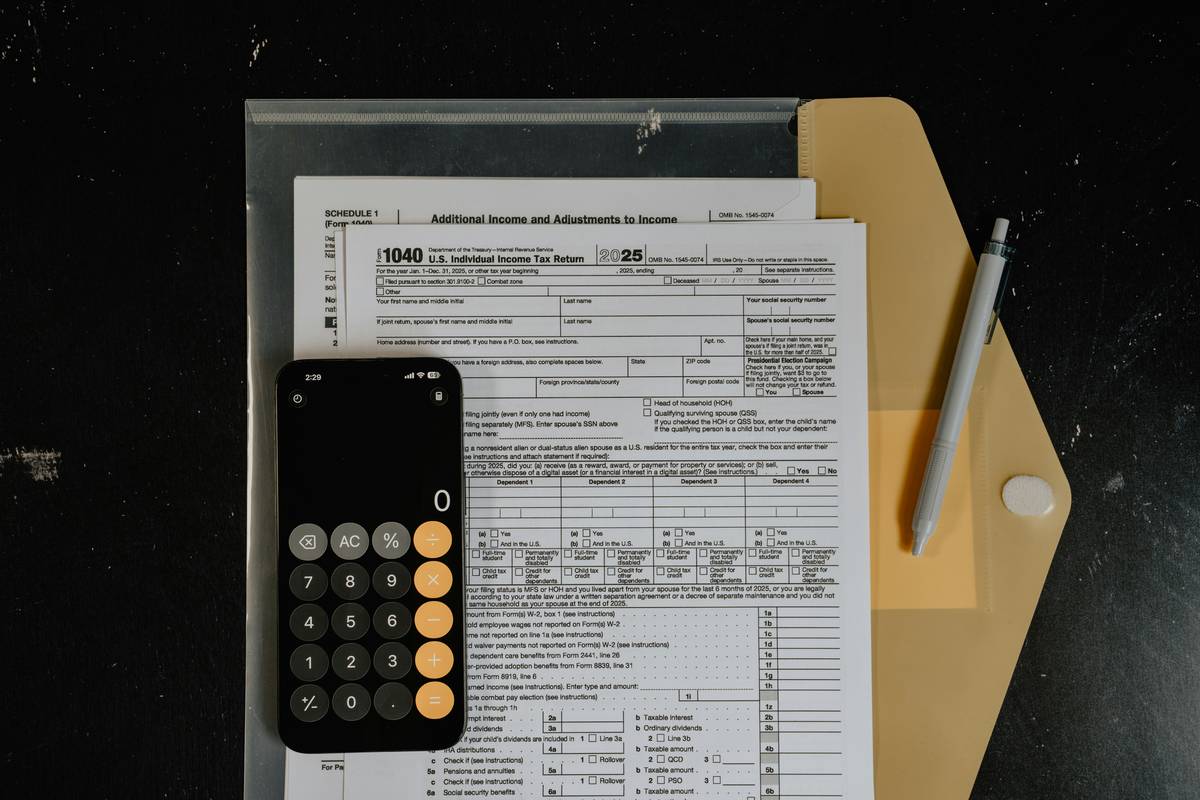
- Yes—if expenses are ordinary and necessary for your trade. Keep detailed logs of dates, counsel names, and purpose (per IRS Publication 535). Don’t lump it with “office supplies.”
- How often should I reassess my Legal Defense Costs Success Metrics?
- Annually—and immediately after any claim. Your insurer’s definition of “success” must evolve with your business scale, content volume, and risk profile.
- Does Legal Defense Costs Success Metrics include appeal costs?
- Rarely. Most policies exclude appeals unless explicitly named in endorsements. Always verify in writing before accepting an adverse ruling.
- What’s the #1 thing people forget when evaluating success?
- Opportunity cost. That 22-hour client meeting you missed while reviewing deposition transcripts? That’s part of the price tag too.
Here’s the brutal truth: You don’t buy copyright insurance to avoid lawsuits—you buy it to control what happens after the email lands. If your policy doesn’t give you clear, auditable Legal Defense Costs Success Metrics, it’s not protection—it’s placebo pricing.
Still unsure where your current coverage stands? Let’s run a no-judgment, 15-minute gap analysis. We’ll map your actual defense spend against industry norms and uncover hidden leaks—no sales pitch, just clarity. Get your custom snapshot now.